
Healing Hearts with Technology: The Role of a Cardiac Rehabilitation Telemetry System for Clinics
Cardiac rehabilitation has long been a cornerstone of post-cardiac event care, supporting
patients in recovering physically, emotionally, and socially after a heart attack, surgery, or
diagnosis of heart disease. With the rise of digital health solutions, clinics are increasingly
turning to advanced tools that enable more precise monitoring and customized treatment
programs. One such innovation is the cardiac rehabilitation telemetry system for clinics,
which integrates medical expertise with real-time data to transform recovery journeys.
Why Cardiac Rehabilitation Needs Smarter Tools
Traditional rehabilitation programs often include exercise, nutritional counseling, and lifestyle
education. While effective, they usually rely on periodic monitoring that may miss changes in
heart activity during recovery. For clinics aiming to provide top-quality care, continuous
monitoring has become essential. Telemetry systems close this gap by giving clinicians live
insights into patient progress.
What Makes Telemetry Systems Different?
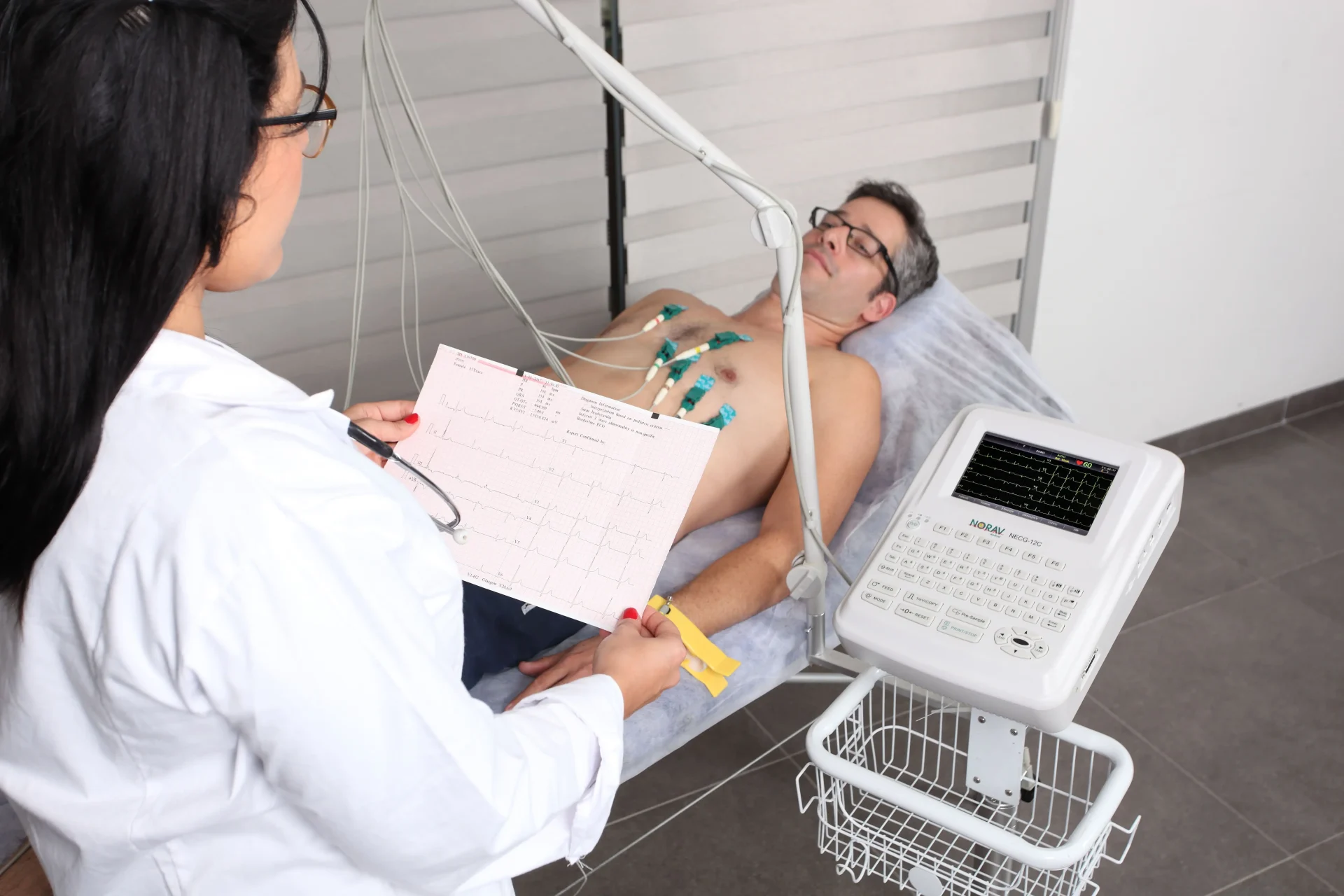
Telemetry systems provide wireless, real-time monitoring of heart activity during supervised exercise. Unlike static ECG monitoring, they allow clinicians to observe rhythms instantly, detect arrhythmias early, and adjust exercise intensity on the spot. This enhances safety and strengthens overall ECG Management, giving patients confidence that their progress is closely monitored.
Data from chest sensors is transmitted to a central station where clinicians can view heart
rate, rhythm, and other vital signs as patients exercise. This immediate feedback supports
individualized treatment and timely interventions when needed.
Benefits for Clinics and Patients
Implementing a cardiac rehabilitation telemetry system for clinics is not just a technological
upgrade—it represents a shift toward more proactive, data-driven care. By harnessing real-
time information, clinics can ensure patient safety while creating a more engaging and
personalized recovery environment.
For Clinics:
- Improved safety: Real-time monitoring minimizes the risk of complications during
exercise. - Tailored programs: Data-driven insights allow for highly personalized exercise prescriptions.
- Efficiency: A single clinician can supervise multiple patients simultaneously,
optimizing resources. - Documentation: Automatic recording of patient progress ensures accurate records for follow-up and reporting.
For Patients:
- Peace of mind: Continuous monitoring reduces anxiety during rehabilitation.
- Motivation: Real-time progress tracking boosts engagement and adherence.
- Faster recovery: Early detection of irregularities allows for immediate intervention,
minimizing setbacks.
Integration into Clinical Workflows
The success of a rehabilitation program depends on how seamlessly technology integrates
into everyday practice. Modern telemetry systems are designed with intuitive interfaces,
minimal setup requirements, and EMR compatibility to ensure secure, accessible data
storage. This allows for efficient collaboration among multidisciplinary teams—cardiologists,
nurses, physiotherapists, and dietitians—enhancing the quality of care.
Supporting Long-Term Heart Health
Although rehabilitation programs often span about 12 weeks, their ultimate goal is to
empower patients to maintain heart-healthy lifestyles long-term. Telemetry systems
contribute by teaching patients how their bodies respond to exercise and by reinforcing
adherence through continuous feedback.
Some advanced solutions extend beyond clinic walls, offering hybrid models that combine
in-person sessions with remote supervision. This flexibility improves access for patients in
rural areas or with mobility challenges, expanding the reach of high-quality care.
The Future of Cardiac Rehabilitation in Clinics
As healthcare embraces digital transformation, telemetry systems will play an even larger
role. Future developments may include AI-driven predictive analysis, integration with
consumer wearables, and interoperability with telemedicine platforms.
For clinics, adopting cardiac rehabilitation telemetry systems is not only about keeping pace
with technology but also about setting a new standard of patient-centered care. Combining
real-time monitoring, clinical expertise, and patient empowerment, these systems redefine
recovery from heart disease.
Looking Ahead: A Healthier Future
Heart disease remains a leading global challenge, yet telemetry-enabled rehabilitation offers a stronger, more personalized path to recovery. With advanced cardiac rehabilitation telemetry systems, clinicians can support safer care and more confident patient progress. Norav Medical helps hospitals adopt reliable, future-ready solutions that elevate rehabilitation outcomes.
To learn how Norav Medical can help you advance your cardiac rehabilitation services, contact our team for expert guidance.