Norav’s resources

MEANS Algorithm now also for Android
 Blog
Blog
Discover the Power of Resting ECG (Ruhe-EKG)
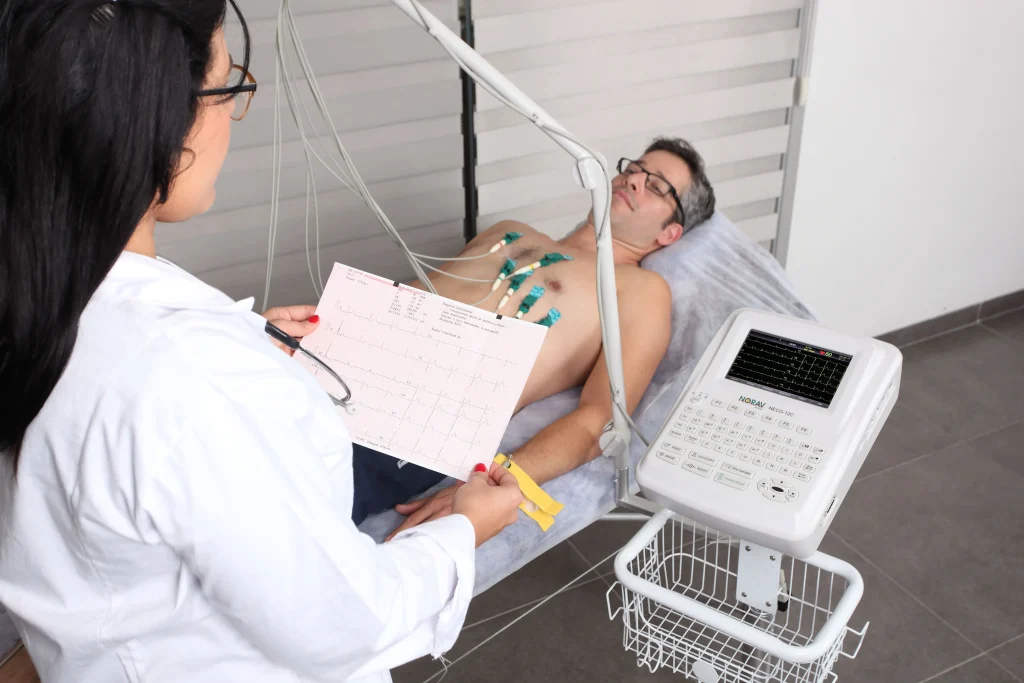
A resting ECG, also known as a Ruhe-EKG in German, is one of the most commonly used diagnostic tools in modern cardiology. For medical equipment distributors, large healthcare facilities, hospitals, and clinics, understanding and providing access to this essential technology is key to delivering comprehensive cardiac care. It provides valuable insights into the electrical activity […]
 Blog
Blog
Precision Meets Performance: Choosing the Best Resting ECG Machine
Selecting the right resting ECG machine is a strategic decision for healthcare institutions and medical device distributors. In environments where accurate diagnostics, operational efficiency, and system interoperability are essential, the right ECG solution directly influences clinical outcomes and organizational productivity. This guide outlines the most critical features to consider when choosing a professional-grade resting ECG […]
 Blog
Blog
Top Stress ECG Machines for Clinics and Hospitals (2026 Edition)
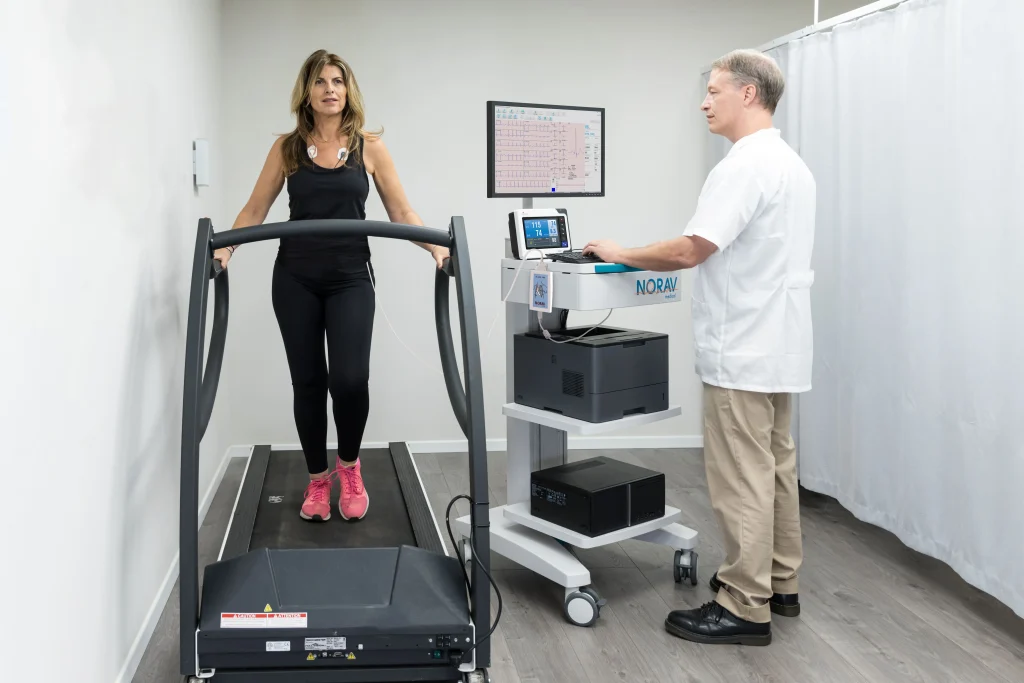
Electrocardiographic stress testing (Stress ECG) remains a vital, non-invasive diagnostic method used by cardiologists worldwide to assess heart performance under physical exertion. As of 2026, the clinical demand for systems that are accurate, user-friendly, and digitally integrative has never been higher. Among the industry’s most trusted providers, Norav Medical continues to lead with innovative, high-performance […]
 Blog
Blog
How to Interpret a Resting ECG: A Guide for Medical Institutions and Distributors
Accurate interpretation of a resting electrocardiogram (ECG) is essential for healthcare systems aiming to ensure high-quality cardiac diagnostics. For hospitals, clinics, and medical distributors supplying ECG solutions, understanding the principles of ECG analysis is critical for supporting medical staff and optimizing patient care workflows. What Is a Resting ECG? A resting ECG provides a […]
Automated ECG Interpretation
For more than 150 years, ECG recording technology has been developing and improving. Doctors now have access to multi-channel recorders, long-term (tens of days) ECG recording devices, and wearable recorders integrated into smartphones, watches, bracelets, etc. Data processing algorithms are also improving, including those using artificial intelligence, which is developing very rapidly in medicine. This […]
 Blog
Blog
12 Kanal – EKG
Cardiographs can be single-channel and multi-channel. In the first case, the device records cardiograms in several leads sequentially. These are very simple devices by design. Due to their light weight, which rarely exceeds 1 kg, ability to work from battery, and mobility, they are most often used in ambulances. Single-channel electrocardiographs can be purchased very […]
 Blog
Blog
Cardio ECG
ECG is a record of the changes in electric potentials occurring during the contraction of the heart. Electrocardiography forms the basis of many other diagnostic investigations – Holter monitoring, bicycle ergometry, transoesophageal recording of ECG, pharmacological tests with ECG, remote ECG and monitoring in intensive care or during operations. Electrocardiography is absolutely harmless and painless […]
 Blog
Blog
ECG Workstation: Multi-Day ECG vs Holter
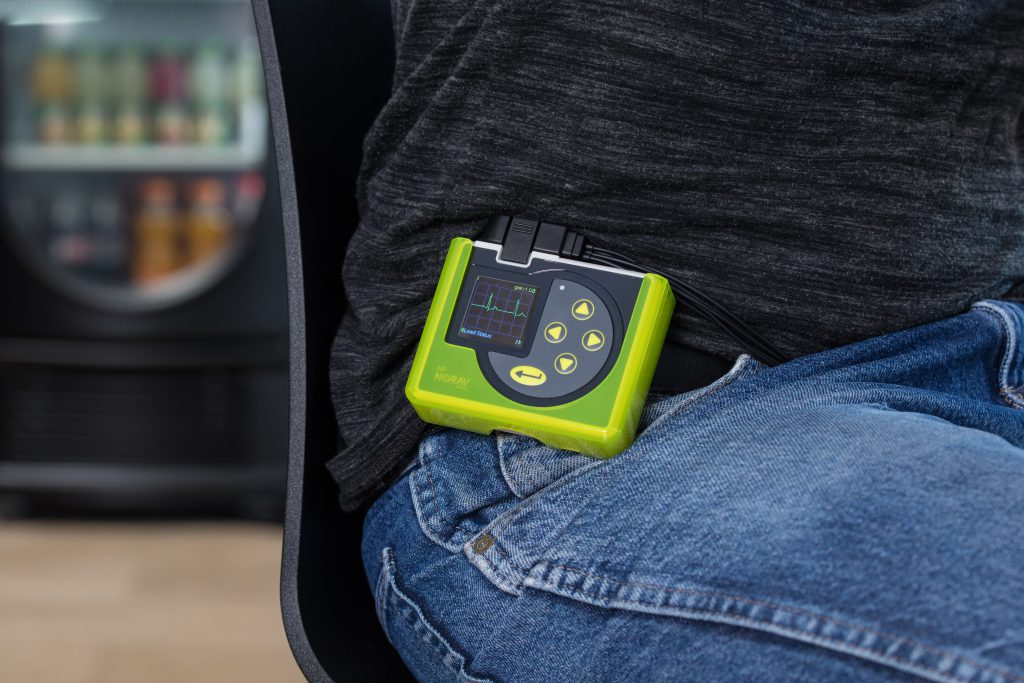
In routine clinical practice, Holter (aka 24-hour) ECG monitoring is widely used. Yet, what are the advantages of multi-day ECG monitoring over Holter monitoring? Let’s figure it out! The Purpose The need for long-term ECG monitoring is primarily due to the presence of rare (1-2 times per week or less) arrhythmic events or clinically significant […]
The Role of ECG in Telemedicine Consultations
As Wendell Willkie once mentioned:” There are no distant places any longer: the world is small and the world is one.” This expression accurately stresses what is happening in almost all spheres of human activity, including the healthcare provision. Indeed, telemedicine has revolutionized healthcare delivery, making medical services remote and instant. The contemporary paradigm which […]
 Blog
Blog
Holter vs. Telemetry Monitoring: Choosing the Right Option for Your Patients
Diagnostics of various heart conditions strongly rely on cardiac monitoring. In this field, two popular methods may be noticed. These are Holter monitoring and Telemetry monitoring. Both methods proved their efficiency over the last decades, offering distinct benefits under different clinical scenarios. This article compares both approaches to understand their essential traits and the premises […]
 Blog
Blog
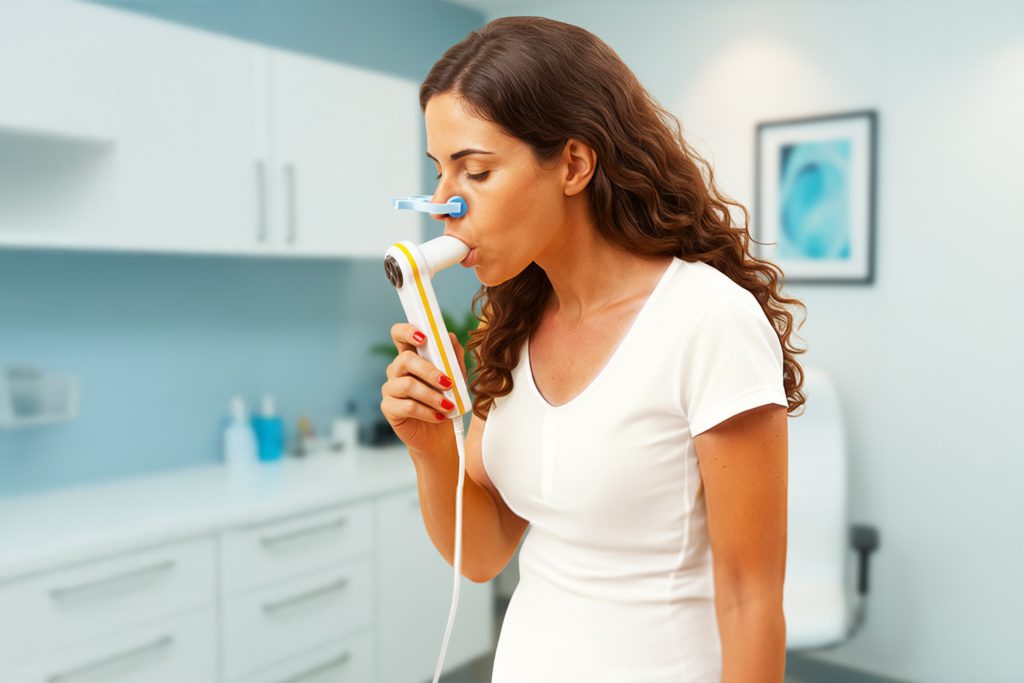
Breathing New Life into Respiratory Care: Digital Spirometer Machines for Modern Clinics
 Blog
Blog
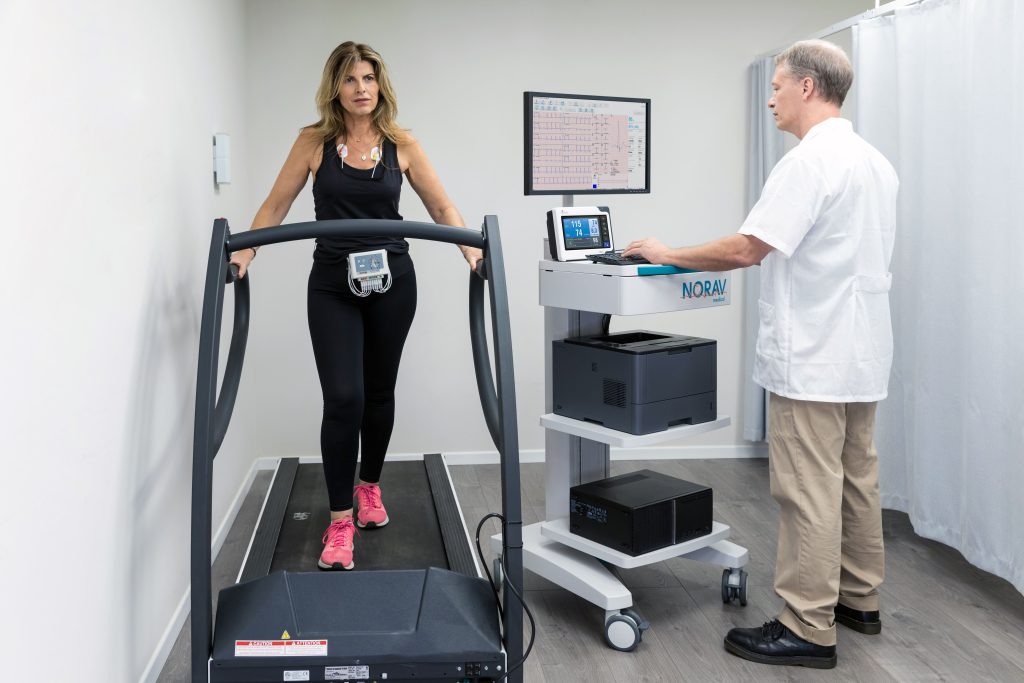
Precision Cardiology: The Role of an Advanced Stress ECG Device for Medical Centers
 Blog
Blog
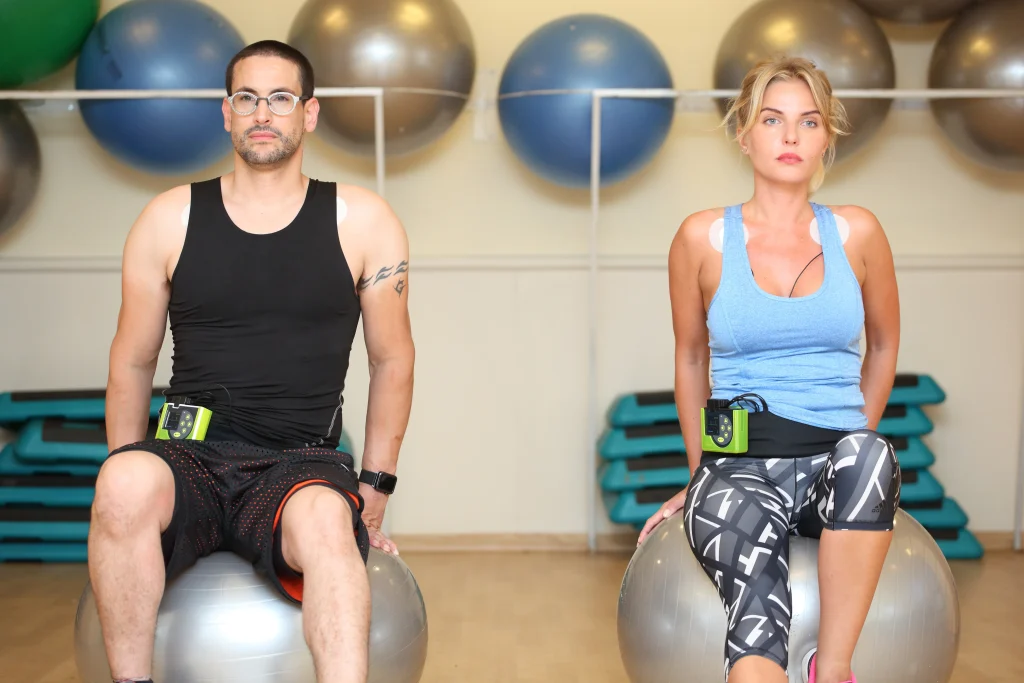
Redefining Cardiac Rehabilitation With a Telemetry Rehab System for Hospitals
 Blog
Blog
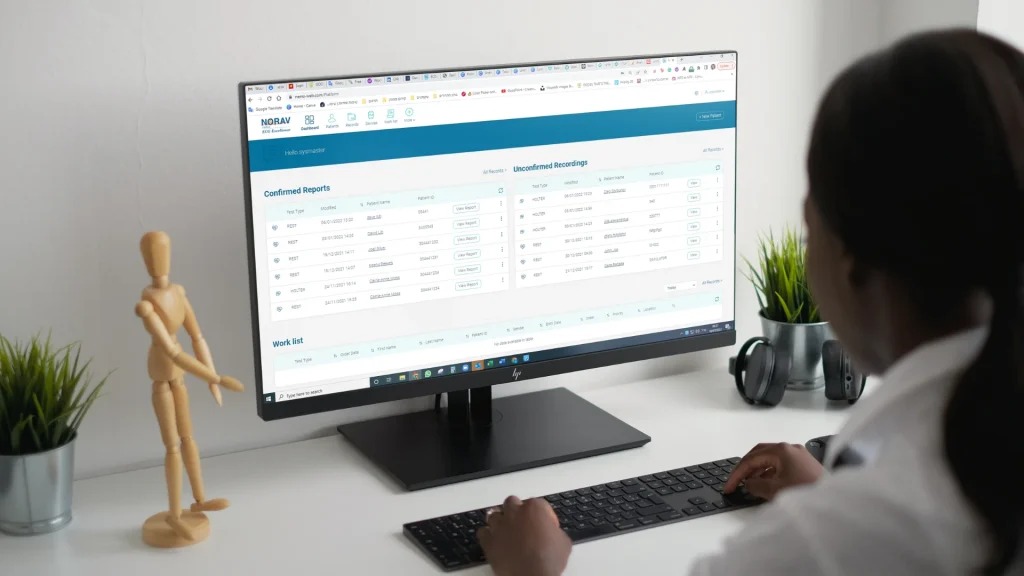
Transforming Cardiac Care with a Web-Based ECG Management Platform
 Blog
Blog
Healing Hearts with Technology: The Role of a Cardiac Rehabilitation Telemetry System for Clinics
 Blog
Blog